
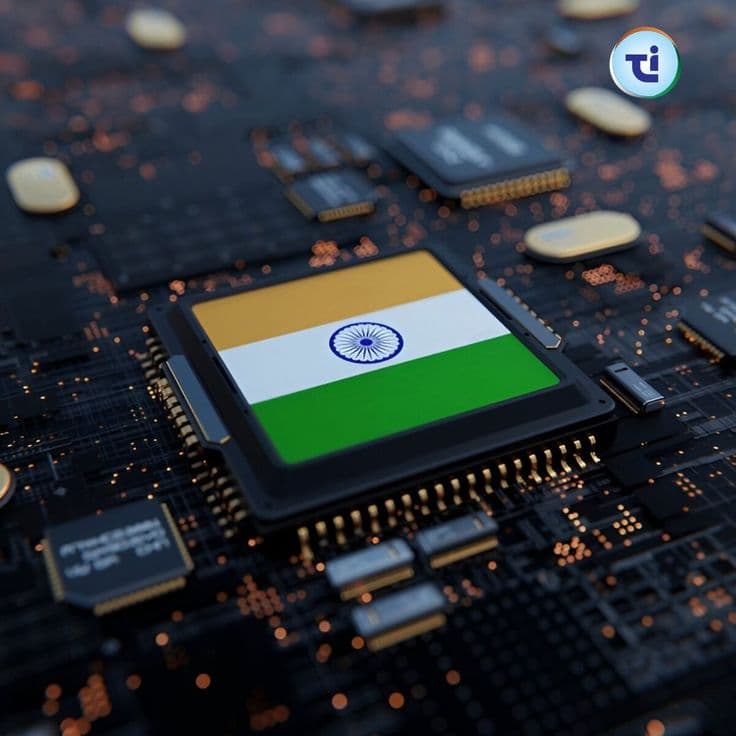
India's Semiconductor Mission 2026: Inside the 7-8 New Plants Announced on Independence Day
PM Modi announced 5 to 8 new semiconductor plants in the next 7 to 8 years. Read what this means for India's chip manufacturing and self-reliance journey.
Addressing the nation from the Red Fort on India's 80th Independence Day, Prime Minister Narendra Modi made a major announcement about the country's chip manufacturing future. He revealed that India is set to build 5 to 8 more semiconductor plants over the next 7 to 8 years, building on the three plants that have already started production and exports. This announcement places semiconductors firmly at the center of India's self reliance and technology agenda. Here is a complete breakdown of what was announced and what it means for India's manufacturing and technology ecosystem.
What Did PM Modi Announce?
In his 13th consecutive Independence Day speech, PM Modi highlighted how central chips have become to modern life and outlined India's next phase of semiconductor growth.
- •PM Modi said the entire world would come to a standstill without chips, calling them essential to electronics, medical equipment and transportation systems
- •He confirmed that 3 major semiconductor plants have already been established in India and have started exporting chips
- •The Prime Minister announced that 5 to 8 more semiconductor plants are expected to become operational over the next 7 to 8 years
- •He described this progress as part of India's journey from Atmanirbhar Bharat, meaning self reliant India, toward the larger goal of Viksit Bharat, a fully developed nation
- •The announcement was made alongside other major initiatives, including free AI skill training for 1 crore youth, linking chip manufacturing directly to India's broader technology push
The Plants Already Up and Running
India's semiconductor journey has moved from announcements to actual production in recent months.
- •Micron Semiconductor's Assembly, Test and Packaging facility in Sanand, Gujarat began commercial production and started shipping made in India chips earlier this year
- •Kaynes Semiconductor's OSAT plant in Sanand was also inaugurated by PM Modi, with chips from this facility being exported to the United States
- •CG Semi has also started commercial production under the government's semiconductor programme
- •These three companies mark India's first wave of functional chip plants, moving the country from a chip importer toward becoming a chip exporter
What Is Driving This Expansion
India's semiconductor push is backed by strong policy support and rising investment from global and domestic players.
- •Under the India Semiconductor Mission, 12 manufacturing units have already been approved in the first phase
- •Earlier this year, the government launched India Semiconductor Mission 2.0 with an outlay of about Rs 1.27 trillion to fund the next stage of growth
- •Tata Electronics is building a large scale fab in Dholera with Powerchip, plus a separate assembly and test facility in Assam
- •A new unit near Uttar Pradesh's Jewar Airport has been approved, through a joint venture between HCL Group and Foxconn
- •Industry leaders have expressed an aspiration to eventually reach around 10 fully operational fabs in India
Why This Matters for India's Economy and Industry
Building domestic chip manufacturing capacity has implications that go far beyond the electronics sector.
- •Reduced import dependency: A larger number of domestic plants means India relies less on imported chips for electronics, automotive, healthcare and defence applications
- •Job creation: Industry experts note that every job created directly in a fab tends to generate around five additional jobs in supporting industries and services
- •Export growth: With plants already exporting chips to markets like the United States, semiconductor manufacturing is emerging as a new export driver for India
- •Stronger global positioning: Expanding from 3 to potentially 10 or more plants would meaningfully strengthen India's position in the global semiconductor supply chain
- •Support for AI and electronics growth: More domestic chip capacity directly supports India's parallel push into AI infrastructure, data centres and advanced electronics manufacturing
Final Thoughts
The announcement of 5 to 8 new semiconductor plants over the next 7 to 8 years signals that India's chip manufacturing ambitions are moving from early stage approvals to sustained, long term execution. With existing plants already exporting chips and major players like Tata, HCL, Foxconn and Kaynes actively investing, India's semiconductor mission is steadily building the foundation for a more self reliant and technologically competitive economy.
Frequently Asked Questions
How many new semiconductor plants did PM Modi announce?
PM Modi announced that India is expected to see 5 to 8 more semiconductor plants become operational over the next 7 to 8 years, in addition to the 3 plants that are already producing and exporting chips.
Which companies are already running semiconductor plants in India?
Micron, Kaynes Semiconductor and CG Semi have already started commercial production under India's semiconductor programme, with facilities based mainly in Sanand, Gujarat.
What is the India Semiconductor Mission 2.0?
India Semiconductor Mission 2.0 is the next phase of the government's chip manufacturing programme, launched with an outlay of around Rs 1.27 trillion to support additional fabs, assembly units and packaging facilities across the country.
Why is India investing so heavily in semiconductor manufacturing?
Semiconductors are essential to electronics, healthcare, transportation and AI infrastructure. By building domestic chip manufacturing capacity, India aims to reduce import dependency, create jobs, boost exports and strengthen its position in the global technology supply chain.